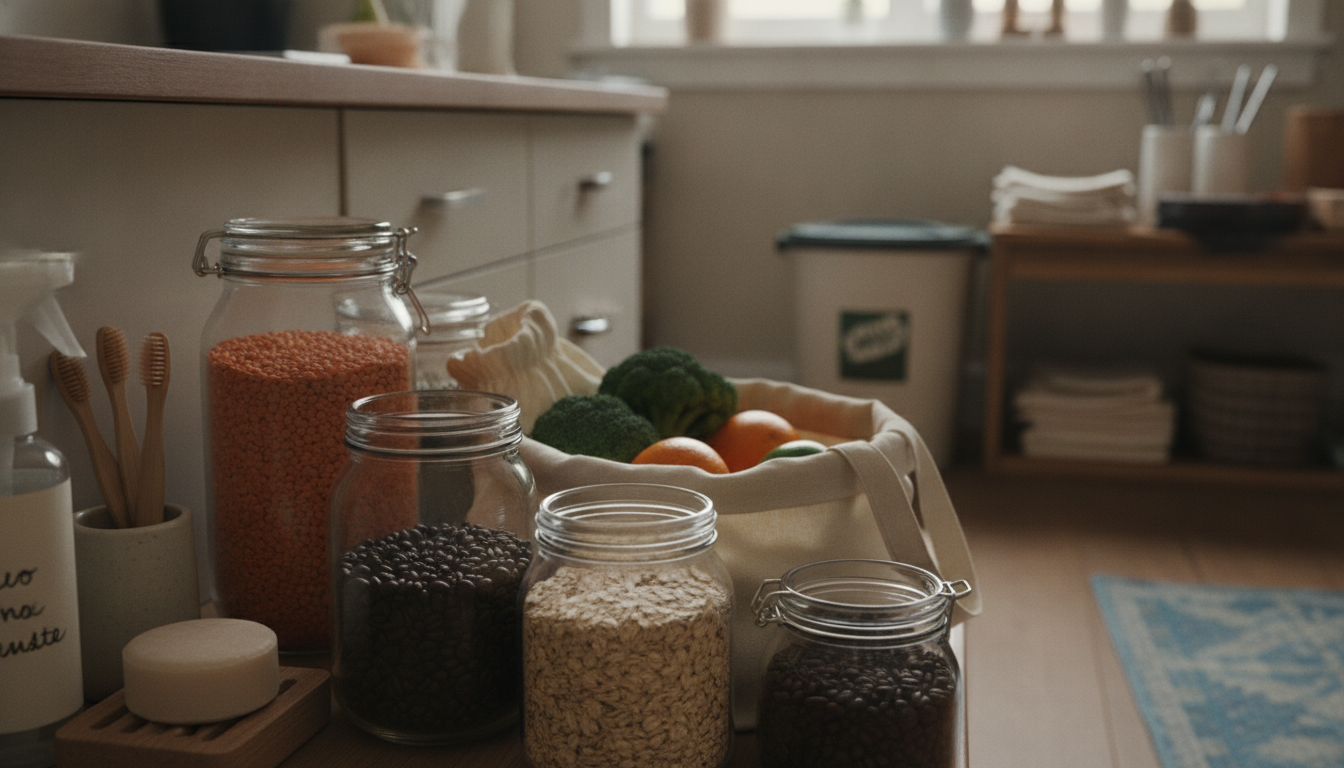
A zero waste lifestyle is a practical approach to daily living that aims to send as little trash as possible to landfills or incinerators. Instead of treating items as disposable, it focuses on reducing what’s bought, reusing what’s already owned, repairing when possible, and choosing materials that can be recycled or composted. The “zero” part is a goalpost, not a perfection test—most people use it as a way to steadily shrink their waste over time.
Zero waste habits often start with noticing where trash comes from: packaging, single-use foodware, and short-lived household items. From there, people swap in reusables (like bottles, bags, and containers), buy in bulk when available, and choose products with minimal or recyclable packaging. Many also prioritize durable goods, secondhand shopping, and simple maintenance—sharpening a razor, mending clothing, or replacing a small part rather than the whole item.
Most zero waste guides revolve around a few repeatable decisions:
Cutting waste can also simplify routines and lower repeat purchases. It often leads to fewer impulse buys, a better handle on food storage (which can reduce food waste), and more intentional choices about materials—like glass, metal, paper, and natural fibers.
For more detail and practical examples, visit this guide on what a zero waste lifestyle is.
For Zero Waste Lifestyle Explained: Simple Daily Habits, the best answer depends on fit, material, care instructions, and how the product will be used day to day.
Start with the biggest repeat offenders: carry a reusable bottle and bag, switch to a refillable soap or cleaning product, and set up a small system for recycling and (if possible) composting. Picking one area—like lunch, coffee, or bathroom basics—makes progress feel manageable.






Leave a comment
You must be logged in to post a comment.