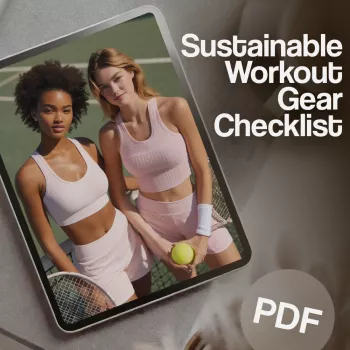
A sustainable workout wardrobe balances performance, comfort, and impact—without requiring a total closet reset. The most reliable approach is to audit what already exists, replace only what’s truly needed, and choose materials and brands that hold up to sweat, wash cycles, and time. Use the checklist below to create a small, repeatable gear system for training, commuting, and recovery—while reducing waste and avoiding greenwashed claims.
Small audits work best when they’re repeatable. A simple habit: note what you reached for after your last three workouts and what stayed in the hamper because it wasn’t comfortable. Those “almost works” items are often the ones worth repairing, tailoring, or retiring first.
If you want a deeper look at preferred fibers and industry benchmarks, Textile Exchange publishes widely cited resources. For transparency signals and questions to ask brands, Fashion Revolution offers practical guidance that helps cut through vague marketing.
| Material | Best for | Pros | Watch-outs | What to look for on the label |
|---|---|---|---|---|
| Recycled polyester (rPET) | Running, training tops, leggings | Uses recycled feedstock; durable; quick-drying | Microfiber shedding; may retain odor if low quality | Clear recycled content %, sturdy fabric weight, quality stitching |
| Recycled nylon | High-stretch leggings, bras | Soft hand-feel; abrasion resistant | Same shedding concern; can be pricey | Recycled nylon disclosure; strong recovery (snap-back) |
| Organic cotton | Low-intensity workouts, tees, layers | Breathable; comfortable | Holds moisture; can feel heavy when sweaty | Organic certification; tighter knit for better durability |
| TENCEL™ Lyocell/Modal | Yoga, lounge-to-gym layers | Soft; drapes well; often breathable | Less ideal for heavy sweat and high abrasion | Brand-name fiber disclosure; blend quality |
| Merino wool (responsibly sourced) | Base layers, socks, outdoor training | Temperature regulation; odor resistance | Needs gentle care; can wear at friction points | Mulesing-free commitments; durable blend for socks |
A helpful decision rule: if a brand won’t tell you what a garment is made of (and where it was made), treat that as a quality risk—not just a sustainability risk.
Heat is the silent killer of stretch. If leggings “bag out” fast, it’s often the dryer (or hot wash) breaking down elastane. For broader waste-reduction tips that apply to apparel too, the U.S. EPA highlights the value of extending product life before recycling or disposal.
If you want a ready-to-use template, Sustainable Workout Gear Checklist | Eco-Friendly Fitness Wardrobe Guide | Digital Download eBook for Green Living & Ethical Activewear is a quick way to standardize your audit, compare materials, and avoid impulse duplicates.
Recycled polyester can reduce demand for virgin fossil-based inputs, but “better” depends on fabric quality, construction, and how long you’ll wear it. It can still shed microfibers, so prioritize durable knits and wash habits that reduce shedding.
Replace what fails safety or function first: worn-out shoes, non-supportive bras, see-through leggings, and garments with split seams or failing compression. Start with the most-used items so each replacement earns the highest wears-per-item.
Wash cool, skip fabric softener, and air-dry to protect elastane—heat is a major driver of stretch breakdown. Rotate pieces so they recover between wears, use a delicates bag, and repair small issues (like loose seams) before they grow.





Leave a comment
You must be logged in to post a comment.