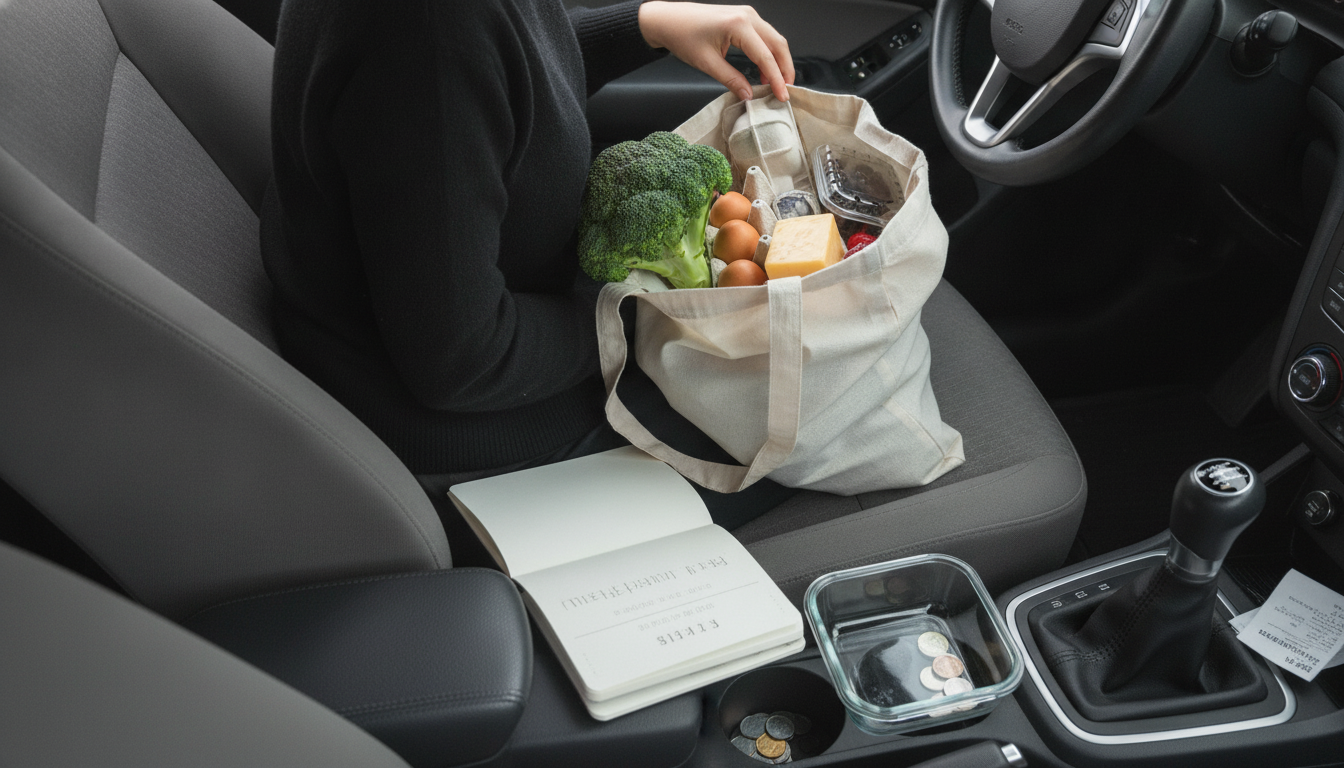
Saving money on food when you live alone comes down to two things: buying only what you’ll actually use and making it easy to turn those ingredients into real meals. With a few small habits, it’s possible to cut waste, curb impulse buys, and still eat well.
Pick 2–3 proteins, 3–5 vegetables, and 1–2 starches you can reuse across different meals (think chicken + eggs, frozen broccoli + salad greens, rice + tortillas). This keeps your cart focused while still giving you variety throughout the week.
Do a quick check for half-used items—pasta, canned beans, frozen veggies, sauces—then build your grocery list to fill gaps. This prevents “duplicate” purchases that pile up and eventually get tossed.
Singles often lose money through spoilage. Choose loose produce, smaller dairy containers, and deli-counter portions when it’s cheaper than throwing away a family-size pack. When bulk is the better deal, split it immediately into freezer portions.
Instead of letting leftovers linger, portion cooked food into single servings the same day. Freeze what you won’t eat in 2–3 days. This turns “leftovers” into ready-to-go meals and reduces last-minute takeout.
Set a few rules like “one treat item per trip” or “no shopping without a list.” If you do online pickup, it’s even easier to avoid impulse aisles and stick to your budget.
For more detailed tips and practical strategies, visit this complete guide on saving money on food as a single person.
For Save Money on Food When You Live Alone: Simple Habits, the best answer depends on fit, material, care instructions, and how the product will be used day to day.
Dry rice, pasta, oats, lentils, and canned beans are inexpensive foundations for many meals. Add canned tomatoes, broth, and a few versatile seasonings to quickly turn them into soups, bowls, and skillet dinners.





Leave a comment
You must be logged in to post a comment.