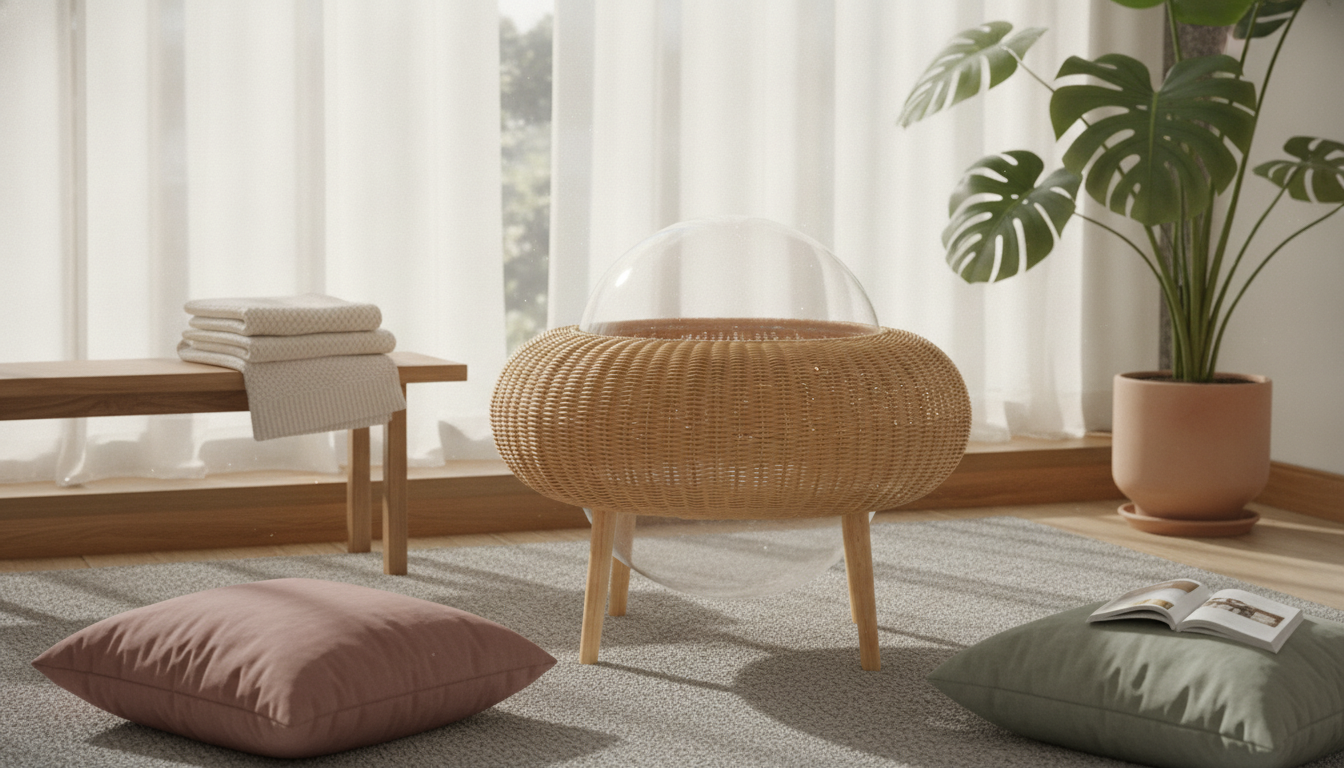
A cozy nest bed can support better rest, reduce draft exposure, and give cats a secure place to retreat. This all-seasons design focuses on year-round comfort with a den-like shape that suits curlers, side sleepers, and cats that like to feel “tucked in.” Below is a practical breakdown of what to look for, how to set it up, and how to keep it fresh. For more guidance, see How to Choose the Perfect Pet Bed for Your Dog’s ….
Cats tend to relax faster when their sleeping spot offers gentle boundaries and a consistent “safe zone.” A well-designed nest bed does that without fully closing them in. For further reading, see Best Dog Beds.
For added confidence, place the nest so your cat can see the room entrance. That simple setup choice often reduces startle responses and “sleep with one eye open” behavior.
Year-round comfort is less about making a bed “hot” and more about balancing insulation, airflow, and smart placement.
| Season | Where to place the bed | What to avoid |
|---|---|---|
| Spring | Quiet corner with moderate airflow | High-traffic paths that disrupt naps |
| Summer | Shaded area with steady ventilation | Direct sun through windows; humid laundry rooms |
| Fall | Near favorite lounging zones as temperatures drop | Drafty entryways and floor-level cold spots |
| Winter | Warm interior wall, off the floor if possible | Right next to heaters, fireplaces, or radiators |
Even a beautiful nest bed won’t get used if it slides, collapses, or feels scratchy. Small construction details influence whether cats trust it.
Households with “busy paws” (kneading, circling, burrowing) usually do best with a nest bed that rebounds after compression and keeps a consistent silhouette.
The best size depends less on your cat’s length on paper and more on how they prefer to settle in.
Environmental enrichment principles also support predictable rest spaces—quiet, choice-based “safe” zones are a common theme in feline welfare recommendations from groups like AAFP/ISFM.
If you’re setting up a new home routine (or welcoming a new cat), calmer transitions often come from offering one quiet “base camp” area with stable resources, as noted by the American Veterinary Medical Association.
If you’re ready to set up a consistent, den-like nap spot, explore the All Seasons Luxury Cat Nest Bed.
Yes—enclosed sides and a consistent resting spot can help anxious cats feel protected and reduce stress. Place the bed in a quiet corner where your cat can see the room entrance, and use familiar scents (like a cloth rubbed on their cheeks) to make it feel safe.
Remove fur weekly with a vacuum or lint roller, and wash about once a month (or sooner if allergies, odor, or shedding are heavy). Use fragrance-free detergent and dry fully; for accidents, use an enzymatic cleaner and make sure the bed is completely dry before reuse.
A low-traffic, draft-free area is ideal, with seasonal adjustments—shade and ventilation in summer, away from door gaps and window drafts in winter. Keep it separate from litter and feeding zones, and away from hazards like dangling cords or unstable furniture.






Leave a comment
You must be logged in to post a comment.