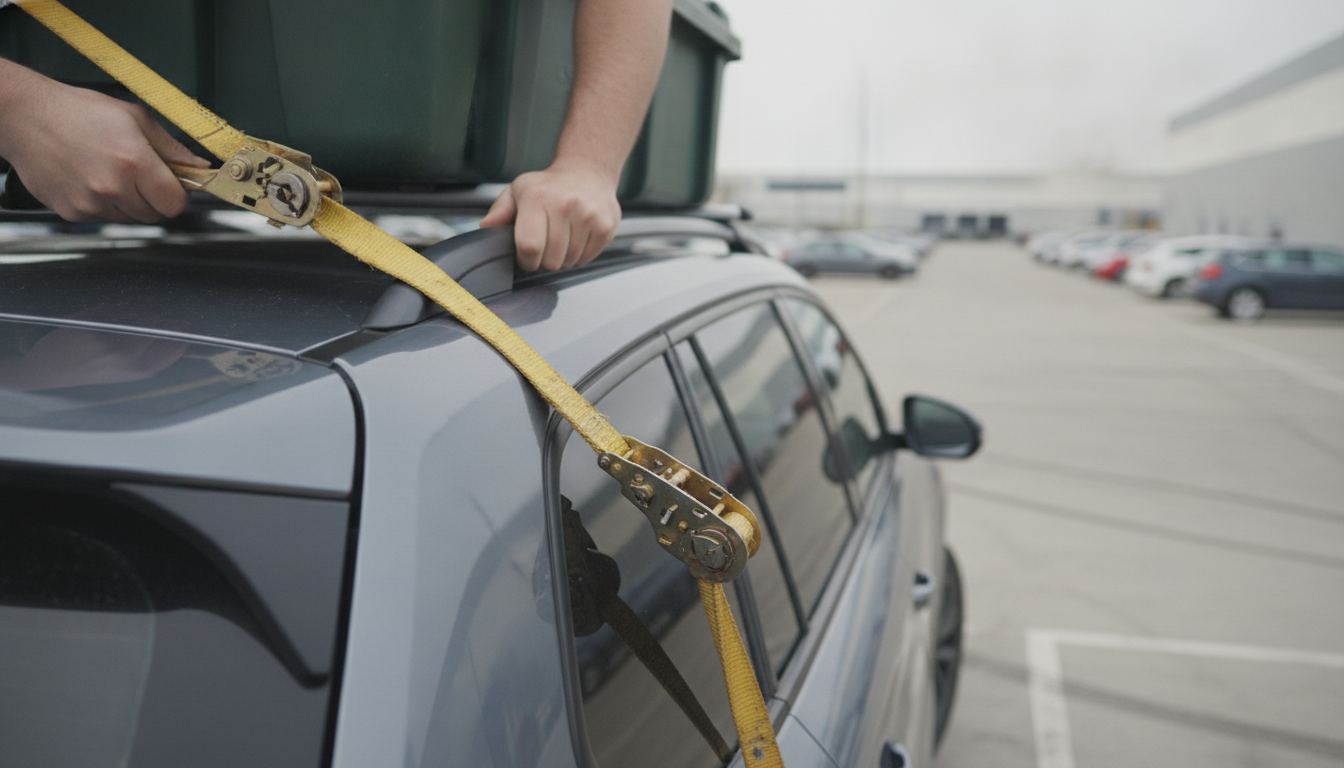
A ratchet strap’s life expectancy depends less on the calendar and more on how it’s used, stored, and inspected. In general, a quality strap that’s cared for can last several years, while one exposed to harsh conditions or frequent heavy use may need replacement much sooner. The key is treating it like a safety-critical tool: if it’s compromised, its “life” is over.
For occasional, light-duty use (like securing a few household items a handful of times per year), a ratchet strap can often remain serviceable for 3–5+ years. For frequent commercial use, repeated tensioning, and constant exposure to weather and road grime, it’s common to see straps retired within 1–3 years—or earlier if wear shows up quickly.
The biggest enemy of webbing is UV exposure. Sunlight breaks down polyester fibers over time, leading to fading, stiffness, and reduced strength. Abrasion is another major factor: dragging straps over rough edges, letting them vibrate against sharp corners, or cinching directly over unprotected metal can cut fibers and create weak spots.
Chemicals and heat also matter. Battery acid, certain solvents, fuels, and corrosive cleaners can degrade fibers. High heat (including proximity to hot exhaust components or friction burns from sudden slippage) can glaze or melt sections of the webbing, making it unreliable.
Replace a ratchet strap if you see fraying, cuts, torn stitching, melted/glazed patches, significant abrasion, or a damaged end fitting. Also retire it if the ratchet mechanism binds, skips teeth, won’t hold tension, or shows heavy rust that affects operation.
For a deeper breakdown of wear signs and best practices, visit this guide on ratchet strap life expectancy.
Replace it if the webbing has cuts, fraying, torn stitching, melted spots, or heavy abrasion, or if the hardware is bent, cracked, or won’t hold tension. If there’s any doubt about strength or the ratchet’s ability to lock, retire it.





Leave a comment
You must be logged in to post a comment.